company Logo
  • Home
  • Challenges
  • Tata InnoVerse Partners
  • Showcase
  • About Us
Login Register
company Logo
  • Home
  • Challenges
  • Tata InnoVerse Partners
  • Showcase
  • About Us
  • Login Register
Tata Innoverse : Sign Up
  1. Home
  2. Challenges
...

Automating Clamping and Routing Inspections at the End-of-Line and Pre-Delivery Inspection

This challenge focuses on detecting clamping and routing issues in chassis assembly during the End-of-Line (EOL) and Pre-Delivery Inspection (PDI) stages. The complexity of overlapping routing paths and reliance on manual inspection make it prone to errors, impacting vehicle safety and reliability.

  commensurate

 
Reward money is paid in exchange of legally acquiring the solution, implementing it to solve the problem and meeting the success criteria. Milestones for paying the reward money would depend upon the complexity of challenge and maturity of the proposed solution, which would be discussed with the solver as soon as the proposed solution is selected by us.

  10 Nov 2025


Challenge details:

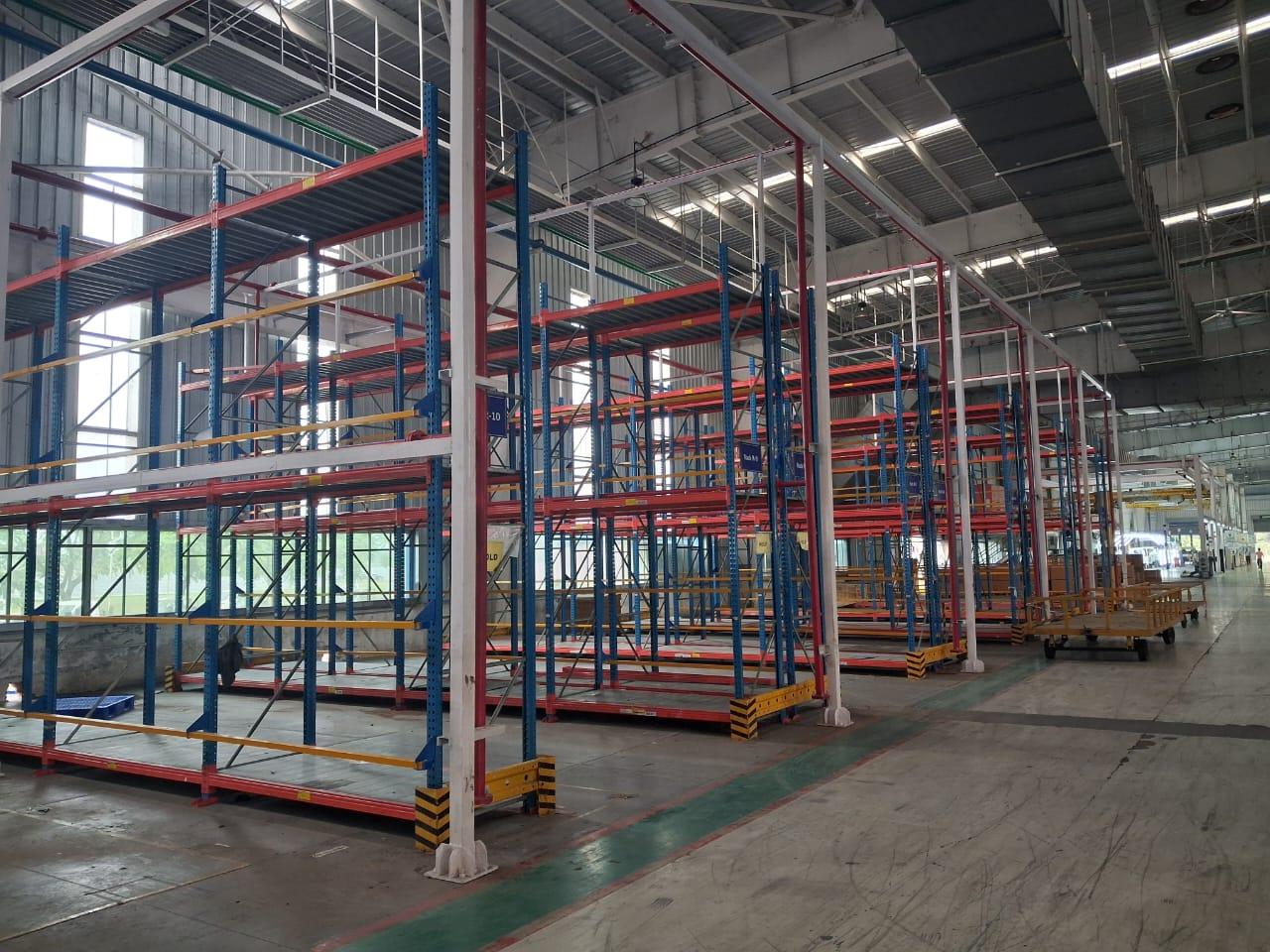
At the End-of-Line (EOL) and Pre-Delivery Inspection (PDI) stages of chassis assembly, ensuring correct clamping and routing of components is critical for vehicle safety and reliability. However, the complexity of the chassis assembly process—particularly involving brake lines, fuel lines, electrical harnesses, and coolant hoses—makes it prone to errors. These components need to be assembled in constrained spaces, with their routing paths overlapping, leading to entanglement, stress points, or incorrect layering that may not be immediately visible.

In addition, these components (clamps, brackets, connectors etc.) are similar in dimensions and appearance, which may result in incorrect part fitment. Missing components or misrouted cables can compromise functionality and are often hard to detect without detailed inspection.

Currently, the detection of such issues relies heavily on manual inspection, which involves checking 30-40 parameters per vehicle. This process is vulnerable to human error, particularly under time constraints or when performed by less experienced personnel. The problem is compounded as the workforce is floating and may lack familiarity with specific chassis configuration.  

We are seeking solutions which can accurately and efficiently detect these defects during the End-of-Line/Pre-Delivery Inspection stage.

...
Early prediction of fire risk in EV lithium-ion batteries
Rewards proportional to your differentiated solution! More than one solution is expected to exist. Solution may be implemented without customization.

Sealed lithium-ion battery packs/cells based on LFP chemistry and prismatic cell format are stored at approximately 40% state of charge in a warehouse environment.We are seeking solutions that can provide early warning of thermal instability or potential fire risk in sealed lithium-ion batteries during warehouse storage and during transportation from supplier to factory.
...
Slag Pot Crack Detection
Rewards proportional to your differentiated solution! More than one solution is expected to exist. Solution may be implemented without customization.

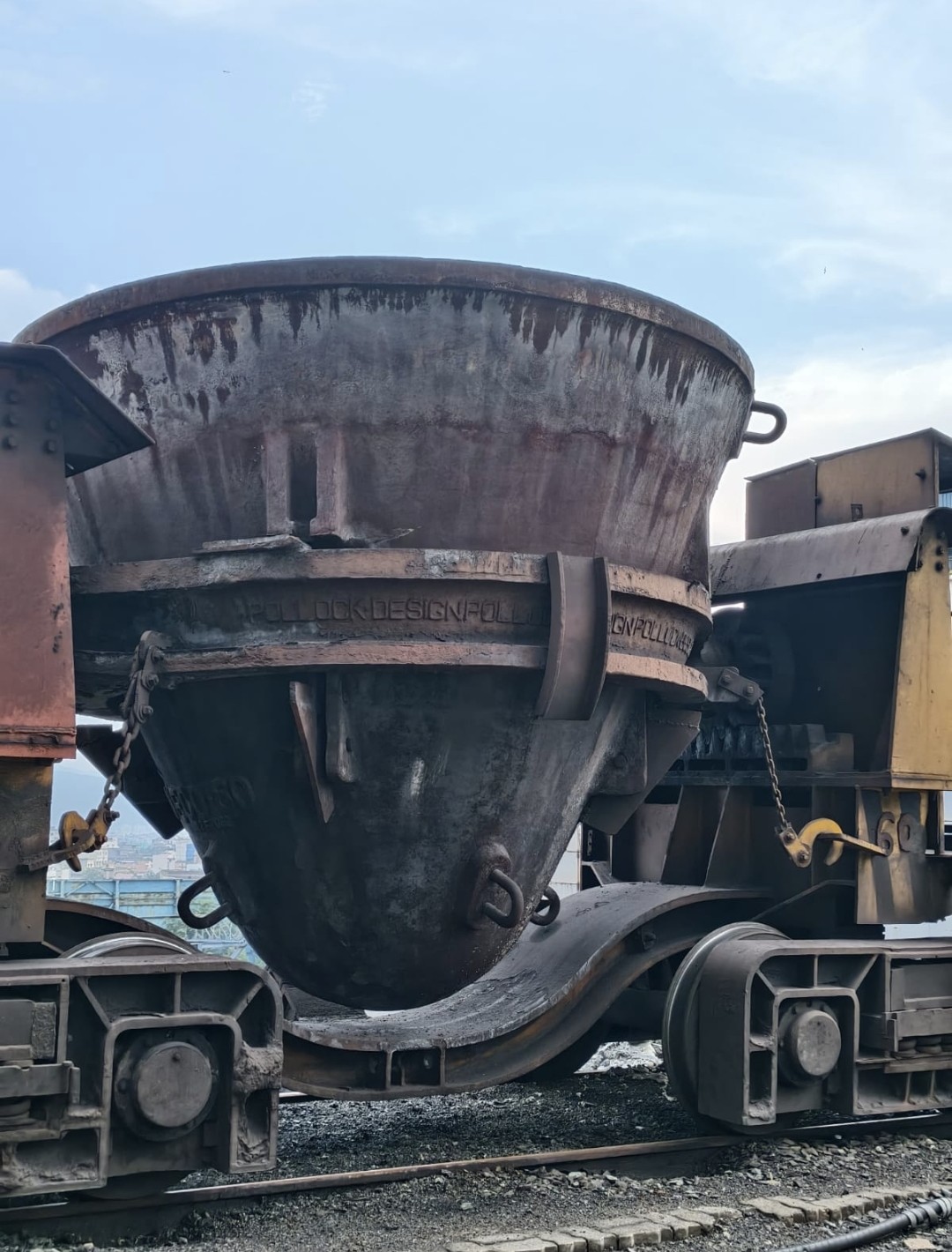
Slag pots used in blast furnace operations are prone to crack formation due to extreme temperatures, thermal cycling, and mechanical stresses. Current manual inspection methods are subjective and may miss critical defects. The challenge is to develop an automated, non-contact solution to accurately detect, classify, and report cracks on slag pots in a high-temperature steel plant environment, enabling safer and more reliable operations.
...
Automated Scotching System for Torpedo Ladles
Rewards proportional to your differentiated solution! More than one solution is expected to exist. Solution may be implemented without customization.

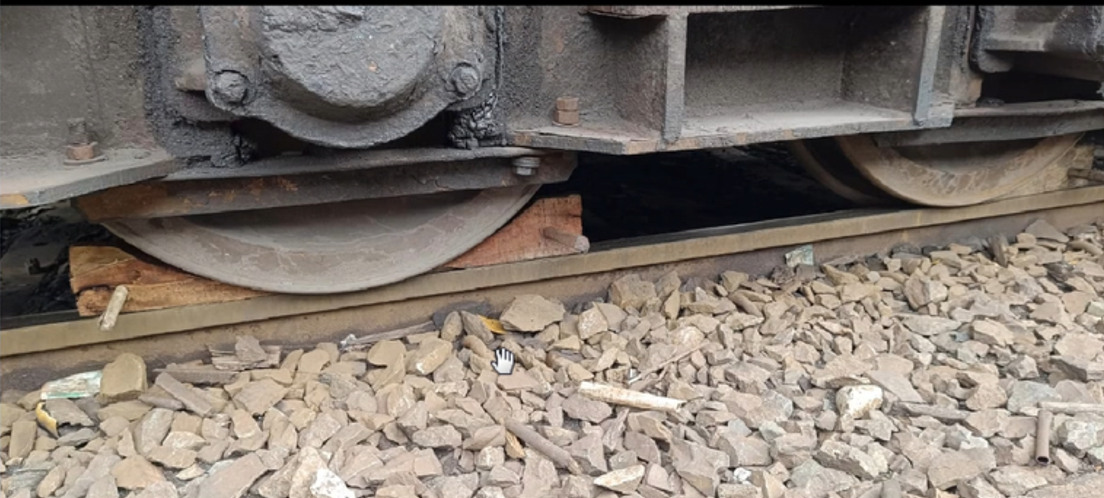
Torpedo ladles used for hot metal transportation are currently secured using manually placed wooden scotch blocks, exposing operators to significant safety risks from moving equipment, high temperatures, and pinch points. The plant operates 51 torpedo ladles of varying sizes, with scotching requirements differing based on wheel position and track gradient.The challenge is to develop an automated, remotely operated scotching system integrated onto the torpedo ladle itself, capable of deploying and retracting scotch blocks without manual intervention. The solution must be self-powered, operate reliably in harsh steel plant conditions (up to ~250°C), withstand heat, dust, and sparks, be fail-safe during emergencies, and either use existing wooden scotch blocks or a suitable alternative material with equal or better performance. Modifications to existing equipment or infrastructure may be considered.
...
Automation of Hot Metal Sampling in Blast Furnace Runner
Rewards proportional to your differentiated solution! More than one solution is expected to exist. Solution may be implemented without customization.

Hot metal samples are manually collected from blast furnace runners three times per cast, exposing operators to molten metal, extreme heat, fumes, glare, and splash hazards. We seek autonomous or remote-operated solutions that can safely and reliably collect representative samples with equal or better consistency while operating in harsh runner conditions and eliminating human exposure.
...
EMS structural health monitoring
Rewards proportional to your differentiated solution! More than one solution is expected to exist. Solution may be implemented without customization.

We are seeking an automated structural health monitoring solution that can continuously assess the condition of the overhead EMS track system, identify early signs of failure, and provide timely maintenance insights.
...
Automation of Roller Brake Test (RBT) in Commercial Vehicles
Rewards proportional to the value add! Few solutions could be available! Efforts might be needed to customize the solution.

We are seeking solutions to automate the Roller Brake Test (RBT) process for manual-transmission commercial vehicles by eliminating driver-dependent operations, including clutch, accelerator, brake, steering, engine control, and gear shifting, enabling a safe, consistent, and fully automated testing process.
...
Zero waste discharge solution for chemical sludge and ATFD salts from electronics manufacturing
Rewards proportional to your differentiated solution! More than one solution is expected to exist. Solution may be implemented without customization.

We are seeking practical, scalable, and economically viable solutions that can eliminate/reduce the sludge waste and ATFD salt volumes generated through the ETP and ZLD facilities and identify potential value creation through resource recovery pathways. The treatment process should be capable of seamless integration with the current operations.
...
Separation of Zn and Fe from GCP sludge cake
Rewards proportional to your differentiated solution! More than one solution is expected to exist. Solution may be implemented without customization.

We seek technologies capable of recovering zinc from blast furnace gas cleaning plant sludge so that it can be safely and effectively reintroduced into the pellet‑making process. Any solution must be compatible with the sludge's typical composition—more than 20% carbon, 6-10% iron, and measurable quantities of manganese, calcium, and other heavy metals—while reducing its hazardous characteristics. Technology providers are expected to deliver end‑to‑end solutions, including feed preparation, zinc recovery processes, and downstream offtake arrangements. Proposed approaches should ensure long‑term operational feasibility and support the company's broader circular‑materials strategy.
...
Early prediction of fire risk in EV lithium-ion batteries
Rewards proportional to your differentiated solution! More than one solution is expected to exist. Solution may be implemented without customization.

Sealed lithium-ion battery packs/cells based on LFP chemistry and prismatic cell format are stored at approximately 40% state of charge in a warehouse environment.We are seeking solutions that can provide early warning of thermal instability or potential fire risk in sealed lithium-ion batteries during warehouse storage and during transportation from supplier to factory.
...
Slag Pot Crack Detection
Rewards proportional to your differentiated solution! More than one solution is expected to exist. Solution may be implemented without customization.

Slag pots used in blast furnace operations are prone to crack formation due to extreme temperatures, thermal cycling, and mechanical stresses. Current manual inspection methods are subjective and may miss critical defects. The challenge is to develop an automated, non-contact solution to accurately detect, classify, and report cracks on slag pots in a high-temperature steel plant environment, enabling safer and more reliable operations.
...
Automated Scotching System for Torpedo Ladles
Rewards proportional to your differentiated solution! More than one solution is expected to exist. Solution may be implemented without customization.

Torpedo ladles used for hot metal transportation are currently secured using manually placed wooden scotch blocks, exposing operators to significant safety risks from moving equipment, high temperatures, and pinch points. The plant operates 51 torpedo ladles of varying sizes, with scotching requirements differing based on wheel position and track gradient.The challenge is to develop an automated, remotely operated scotching system integrated onto the torpedo ladle itself, capable of deploying and retracting scotch blocks without manual intervention. The solution must be self-powered, operate reliably in harsh steel plant conditions (up to ~250°C), withstand heat, dust, and sparks, be fail-safe during emergencies, and either use existing wooden scotch blocks or a suitable alternative material with equal or better performance. Modifications to existing equipment or infrastructure may be considered.
...
Automation of Hot Metal Sampling in Blast Furnace Runner
Rewards proportional to your differentiated solution! More than one solution is expected to exist. Solution may be implemented without customization.

Hot metal samples are manually collected from blast furnace runners three times per cast, exposing operators to molten metal, extreme heat, fumes, glare, and splash hazards. We seek autonomous or remote-operated solutions that can safely and reliably collect representative samples with equal or better consistency while operating in harsh runner conditions and eliminating human exposure.
...
EMS structural health monitoring
Rewards proportional to your differentiated solution! More than one solution is expected to exist. Solution may be implemented without customization.

We are seeking an automated structural health monitoring solution that can continuously assess the condition of the overhead EMS track system, identify early signs of failure, and provide timely maintenance insights.
...
Automation of Roller Brake Test (RBT) in Commercial Vehicles
Rewards proportional to the value add! Few solutions could be available! Efforts might be needed to customize the solution.

We are seeking solutions to automate the Roller Brake Test (RBT) process for manual-transmission commercial vehicles by eliminating driver-dependent operations, including clutch, accelerator, brake, steering, engine control, and gear shifting, enabling a safe, consistent, and fully automated testing process.
...
Zero waste discharge solution for chemical sludge and ATFD salts from electronics manufacturing
Rewards proportional to your differentiated solution! More than one solution is expected to exist. Solution may be implemented without customization.

We are seeking practical, scalable, and economically viable solutions that can eliminate/reduce the sludge waste and ATFD salt volumes generated through the ETP and ZLD facilities and identify potential value creation through resource recovery pathways. The treatment process should be capable of seamless integration with the current operations.
...
Separation of Zn and Fe from GCP sludge cake
Rewards proportional to your differentiated solution! More than one solution is expected to exist. Solution may be implemented without customization.

We seek technologies capable of recovering zinc from blast furnace gas cleaning plant sludge so that it can be safely and effectively reintroduced into the pellet‑making process. Any solution must be compatible with the sludge's typical composition—more than 20% carbon, 6-10% iron, and measurable quantities of manganese, calcium, and other heavy metals—while reducing its hazardous characteristics. Technology providers are expected to deliver end‑to‑end solutions, including feed preparation, zinc recovery processes, and downstream offtake arrangements. Proposed approaches should ensure long‑term operational feasibility and support the company's broader circular‑materials strategy.
Privacy Policy Terms & Conditions © 2026 Tata Sons Private Limited. All Rights Reserved.
Message

Please login to continue.

Seek Clarification
Please select challenge
Enter subject

0/2000

Enter your query
captcha_Img

Message

close
Query Sent Successfully.
Privacy Policy Terms & Conditions
© 2026 Tata Sons Private Limited. All Rights Reserved.