company Logo
  • Home
  • Challenges
  • Tata InnoVerse Partners
  • Showcase
  • About Us
Login Register
company Logo
  • Home
  • Challenges
  • Tata InnoVerse Partners
  • Showcase
  • About Us
  • Login Register
Tata Innoverse : Sign Up
  1. Home
  2. Challenges
...
...
...

Digital Traceability for Individual Solar Cells Across the Manufacturing Lifecycle

We are looking for a non‑invasive, robust solution to uniquely identify each solar cell throughout manufacturing and maintain its identity from full cell to final module.

  attractive

 
Reward money is paid in exchange of legally acquiring the solution, implementing it to solve the problem and meeting the success criteria. Milestones for paying the reward money would depend upon the complexity of challenge and maturity of the proposed solution, which would be discussed with the solver as soon as the proposed solution is selected by us.

  09 May 2026


Challenge details:

Solar photovoltaic cell and module manufacturing involves multiple high-throughput and complex processes, spanning wafer texturization, diffusion, PSG removal, PECVD, metallization, firing, final cell and subsequent module operations such as cell half-cutting, stringing, lamination, EL inspection, and framing. Despite high levels of automation, the industry continues to face a fundamental limitation: the inability to maintain persistent, cell-level traceability across the complete manufacturing lifecycle. Existing traceability mechanisms such as Virtual Serial Numbers (VSN), batch IDs, stack-level barcodes, and manual line travelers are module-centric and post-facto, resulting in loss of individual cell identity, particularly after laser half-cut operations in cells. Consequently, manufacturers experience 5-10% traceability mismatches, weak cell-to-module lineage during rework and warranty analysis, statistically driven (rather than deterministic) defect attribution, and limited ability to link field failures back to specific manufacturing parameters, thereby constraining root-cause analysis, counterfeit detection, recall management, and long-term reliability assurance.

We are looking for a solution that is non-invasive, complex-resilient, and capable of uniquely identifying every solar cell at critical process milestones without impacting throughput, efficiency, aesthetics, or reliability and preserves identity continuity through chemical, thermal, mechanical, and laser half-cut transformations. The system must track the path from full cell → half cell → string → final module and link it to module serial numbers, EL/IV (Electroluminescence/Current-Voltage) data, and warranty records.

Note: Approaches such as barcode printing or laser marking on solar cells are not feasible, as they can reduce cell efficiency and therefore cannot be considered practical options
...
Non-Invasive Identification and Verification of Underground Cable Joints Prior to Excavation
Rewards proportional to your differentiated solution! More than one solution is expected to exist. Solution may be implemented without customization.

We are seeking a non‑invasive, above‑ground solution to identify underground cable joints and accurately distinguish the correct live cable among closely spaced cables, without excavation or offline signal injection, to support safe and efficient excavation planning.
...
Real Time Monitoring of Electrical Systems in Low- or No- Connectivity Remote Locations
Rewards proportional to your differentiated solution! More than one solution is expected to exist. Solution may be implemented without customization.

We are seeking a solution for reliable monitoring of electrical systems and field operations in low or no network environments, enabling secure offline operation, safety‑critical workflows, and seamless data synchronization once connectivity is available.
...
Preventing Elephant Electrocution from Overhead Power Lines
Rewards proportional to your differentiated solution! More than one solution is expected to exist. Solution may be implemented without customization.

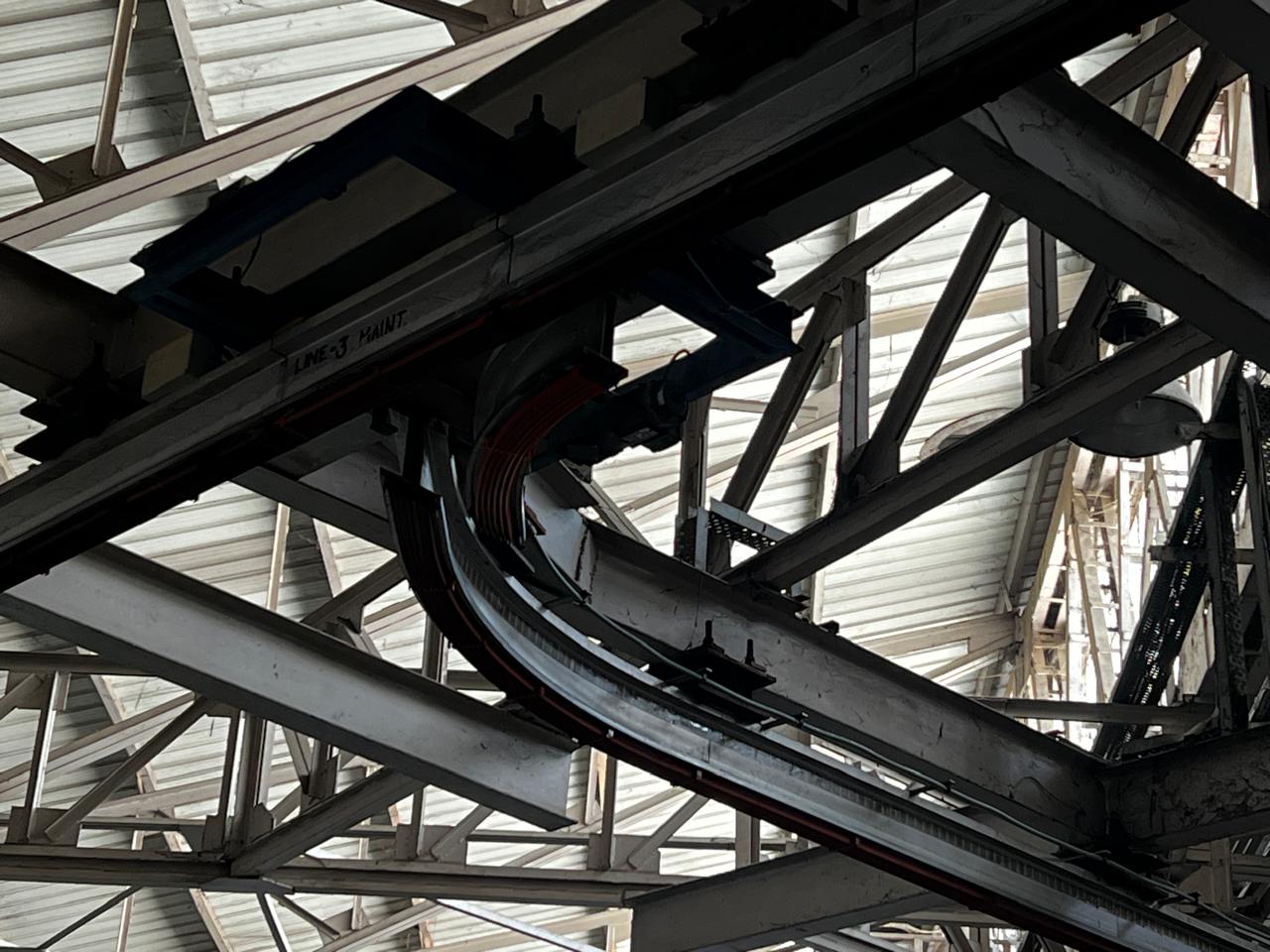
Preventing elephant electrocution by enabling wildlife-safe electrical distribution in forest regions through scalable, infrastructure-based solutions—such as intelligent monitoring, early detection, adaptive insulation, and automated safeguards—designed to operate reliably across remote and challenging environments without direct interaction with wildlife.
...
Early prediction of fire risk in EV lithium-ion batteries
Rewards proportional to your differentiated solution! More than one solution is expected to exist. Solution may be implemented without customization.

Sealed lithium-ion battery packs/cells based on LFP chemistry and prismatic cell format are stored at approximately 40% state of charge in a warehouse environment.We are seeking solutions that can provide early warning of thermal instability or potential fire risk in sealed lithium-ion batteries during warehouse storage and during transportation from supplier to factory.
...
Slag Pot Crack Detection
Rewards proportional to your differentiated solution! More than one solution is expected to exist. Solution may be implemented without customization.

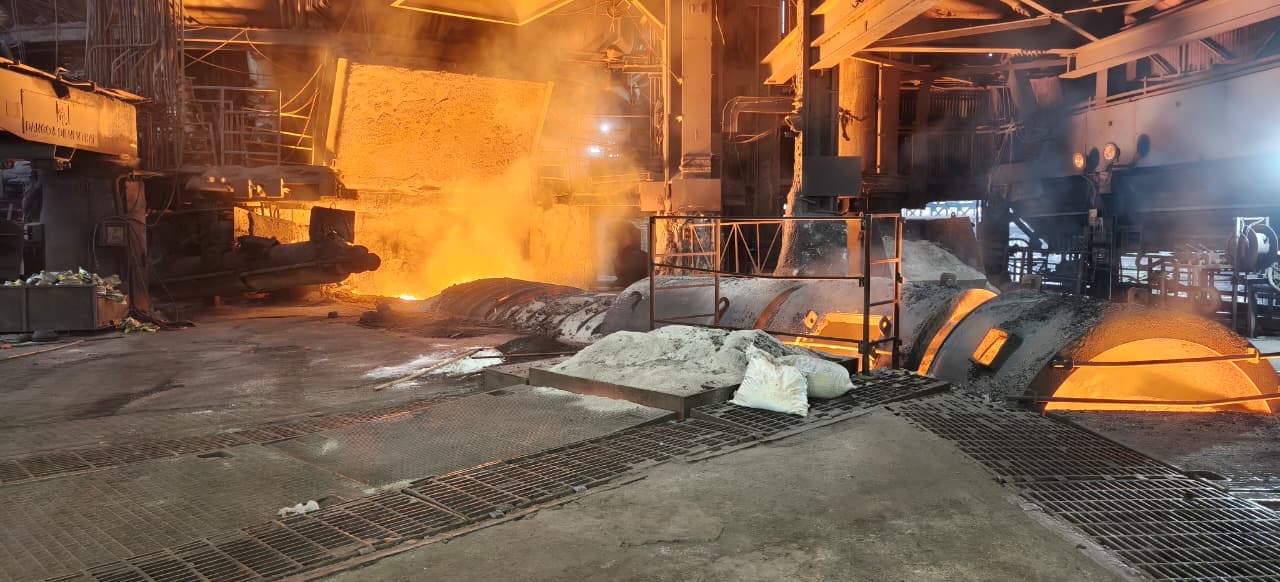
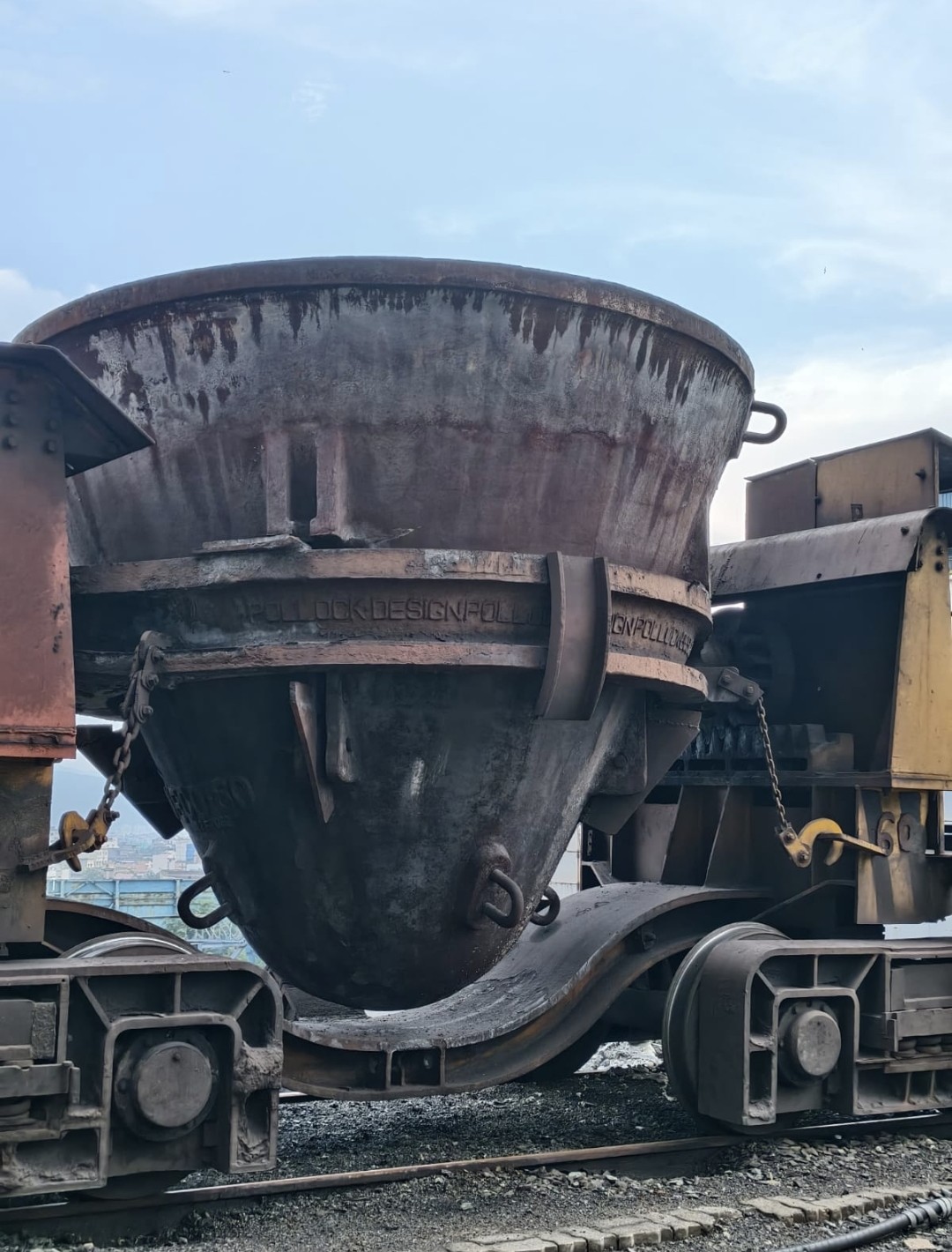
Slag pots used in blast furnace operations are prone to crack formation due to extreme temperatures, thermal cycling, and mechanical stresses. Current manual inspection methods are subjective and may miss critical defects. The challenge is to develop an automated, non-contact solution to accurately detect, classify, and report cracks on slag pots in a high-temperature steel plant environment, enabling safer and more reliable operations.
...
Automated Scotching System for Torpedo Ladles
Rewards proportional to your differentiated solution! More than one solution is expected to exist. Solution may be implemented without customization.

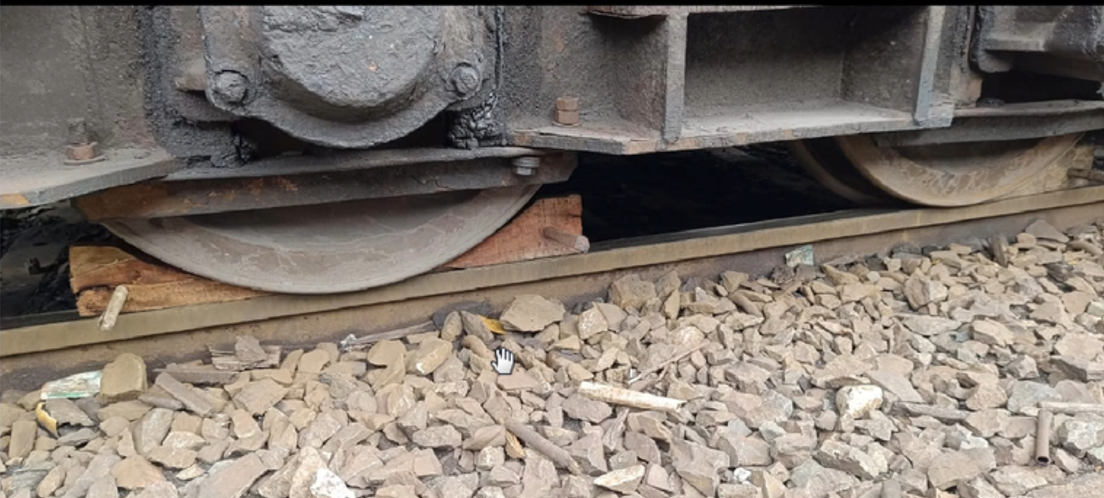
Torpedo ladles used for hot metal transportation are currently secured using manually placed wooden scotch blocks, exposing operators to significant safety risks from moving equipment, high temperatures, and pinch points. The plant operates 51 torpedo ladles of varying sizes, with scotching requirements differing based on wheel position and track gradient.The challenge is to develop an automated, remotely operated scotching system integrated onto the torpedo ladle itself, capable of deploying and retracting scotch blocks without manual intervention. The solution must be self-powered, operate reliably in harsh steel plant conditions (up to ~250°C), withstand heat, dust, and sparks, be fail-safe during emergencies, and either use existing wooden scotch blocks or a suitable alternative material with equal or better performance. Modifications to existing equipment or infrastructure may be considered.
...
Non-Invasive Identification and Verification of Underground Cable Joints Prior to Excavation
Rewards proportional to your differentiated solution! More than one solution is expected to exist. Solution may be implemented without customization.

We are seeking a non‑invasive, above‑ground solution to identify underground cable joints and accurately distinguish the correct live cable among closely spaced cables, without excavation or offline signal injection, to support safe and efficient excavation planning.
...
Real Time Monitoring of Electrical Systems in Low- or No- Connectivity Remote Locations
Rewards proportional to your differentiated solution! More than one solution is expected to exist. Solution may be implemented without customization.

We are seeking a solution for reliable monitoring of electrical systems and field operations in low or no network environments, enabling secure offline operation, safety‑critical workflows, and seamless data synchronization once connectivity is available.
...
Preventing Elephant Electrocution from Overhead Power Lines
Rewards proportional to your differentiated solution! More than one solution is expected to exist. Solution may be implemented without customization.

Preventing elephant electrocution by enabling wildlife-safe electrical distribution in forest regions through scalable, infrastructure-based solutions—such as intelligent monitoring, early detection, adaptive insulation, and automated safeguards—designed to operate reliably across remote and challenging environments without direct interaction with wildlife.
...
Early prediction of fire risk in EV lithium-ion batteries
Rewards proportional to your differentiated solution! More than one solution is expected to exist. Solution may be implemented without customization.

Sealed lithium-ion battery packs/cells based on LFP chemistry and prismatic cell format are stored at approximately 40% state of charge in a warehouse environment.We are seeking solutions that can provide early warning of thermal instability or potential fire risk in sealed lithium-ion batteries during warehouse storage and during transportation from supplier to factory.
...
Slag Pot Crack Detection
Rewards proportional to your differentiated solution! More than one solution is expected to exist. Solution may be implemented without customization.

Slag pots used in blast furnace operations are prone to crack formation due to extreme temperatures, thermal cycling, and mechanical stresses. Current manual inspection methods are subjective and may miss critical defects. The challenge is to develop an automated, non-contact solution to accurately detect, classify, and report cracks on slag pots in a high-temperature steel plant environment, enabling safer and more reliable operations.
...
Automated Scotching System for Torpedo Ladles
Rewards proportional to your differentiated solution! More than one solution is expected to exist. Solution may be implemented without customization.

Torpedo ladles used for hot metal transportation are currently secured using manually placed wooden scotch blocks, exposing operators to significant safety risks from moving equipment, high temperatures, and pinch points. The plant operates 51 torpedo ladles of varying sizes, with scotching requirements differing based on wheel position and track gradient.The challenge is to develop an automated, remotely operated scotching system integrated onto the torpedo ladle itself, capable of deploying and retracting scotch blocks without manual intervention. The solution must be self-powered, operate reliably in harsh steel plant conditions (up to ~250°C), withstand heat, dust, and sparks, be fail-safe during emergencies, and either use existing wooden scotch blocks or a suitable alternative material with equal or better performance. Modifications to existing equipment or infrastructure may be considered.
Privacy Policy Terms & Conditions © 2026 Tata Sons Private Limited. All Rights Reserved.
Message

Please login to continue.

Seek Clarification
Please select challenge
Enter subject

0/2000

Enter your query
captcha_Img

Message

close
Query Sent Successfully.
Privacy Policy Terms & Conditions
© 2026 Tata Sons Private Limited. All Rights Reserved.